
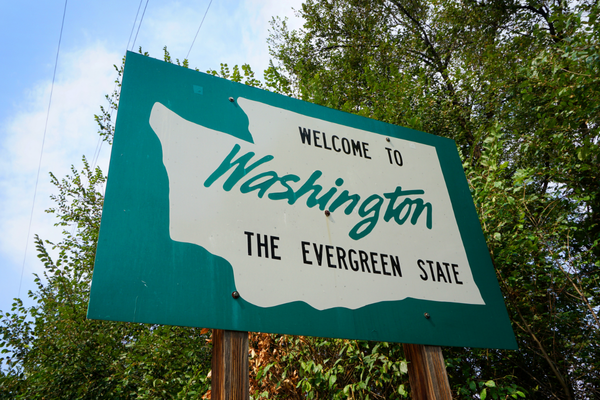
When envisioning your ideal retirement destination, you likely picture scenic waterfront views, a vibrant community, and comfortable living arrangements. But have you considered how taxes will impact your retirement income and overall financial picture? If you’re considering Edmonds, Washington as your retirement home, understanding the local and state tax landscape is crucial to making an informed decision about your future.
The tax environment in Washington State offers unique advantages for retirees, but it also comes with considerations that require careful planning. In this blog, we’ll break down the major tax and cost-of-living considerations, along with additional planning insights to help you enter retirement with confidence and clarity.
Understanding Property Taxes in Edmonds
Property taxes in Washington vary significantly by county and municipality, and Edmonds tends to sit on the higher end due to strong demand, a desirable location, and exceptionally well-maintained community amenities.
There are a few things you need to know about property taxes in Edmonds:
Property tax revenue accounts for over a third of Edmonds’ city funding. Property tax rates in the area can be higher than you might expect, but this investment supports the quality schools, parks, infrastructure, and public services that make Edmonds such an attractive place to live.
The high property taxes in Edmonds mean that retirees relocating from states with lower property taxes may notice a bump in housing-related expenses. But not to worry, you can manage these expenses with intentional financial planning.
Washington actually offers several property tax relief programs specifically designed for seniors and retirees. These include senior and disabled person exemptions, as well as property tax deferral programs. If you meet certain income and age requirements, these programs can significantly reduce your property tax burden.
Washington’s Income Tax Advantage
One of the most significant financial benefits of retiring in Washington is that there is no state income tax.
For retirees, this often means:
- No state tax on Social Security income
- No state tax on pension income
- No state tax on 401(k), 403(b), or IRA distributions
- No state tax on capital gains from real estate
The absence of state income tax can significantly reduce your overall tax burden and stretch your retirement dollars further.
However, there’s an important caveat to keep in mind. Washington recently instituted a capital gains excise tax on non-real estate sales exceeding $250,000 of gain . If you’re planning to sell investments or a business as part of your retirement strategy, this is an essential factor to discuss with your financial advisor. They can help you:
- Time the sale strategically
- Use charitable planning tools (like donor-advised funds or private foundations)
- Leverage tax-loss harvesting
- Consider multi-year income smoothing
Estate Tax Planning in Washington
Another factor that differentiates Washington from other no-income-tax states: it has its own estate tax, and it’s one of the more significant ones in the country.
- The estate tax applies to estates over $2.193 million
- Only the amount above that threshold is taxed (the first $2.193 million is exempt from the Washington estate tax)
- Rates are progressive, meaning they increase as the estate size increases
If you’re a high-net-worth individual or simply own a high-value home, your estate may reach the taxable threshold more quickly than expected. You can protectively prepare for estate taxes through:
- Trust structures to reduce taxable estate size
- Gifting strategies (prior to death)
- Charitable planning
- Coordinating inheritance strategies for multi-state families
Utility Taxes In Washington
While Washington doesn’t tax most groceries or prescription medication, the city of Edmonds does levy a 6% utility tax on services like electricity, gas, cellular, cable, and garbage. City-operated utilities like water and sewer traditionally carried a 10% tax.
However, it’s important to note that many cities in our area, including Edmonds, have recently increased utility taxes to address budget deficits. Edmonds just approved a temporary increase to 20% on city-operated utilities. While this increase is described as temporary, it’s worth factoring into your monthly budget planning.
The good news is that retirees with limited income can qualify for utility discounts, creating meaningful monthly savings. You can start the process at the City of Edmonds website.
3 Additional Planning Considerations for Retiring in Edmonds
Taxes are important, but they’re not the only factors that shape your retirement experience. As you work to build a resilient retirement plan, you also need to consider:
- Long-term care: Washington offers a wide range of in-home care services, assisted living communities, and memory-care resources. Planning early ensures you maintain flexibility, independence, and choice.
- Healthcare and Medicare: Edmonds provides access to excellent medical facilities and specialists. Understanding your Medicare options, supplemental plans, and expected out-of-pocket costs helps you avoid surprise medical bills.
- Family and multigenerational support: Many retirees enjoy supporting adult children, grandchildren, or extended family. Whether that’s financial support, occasional childcare, or helping with education costs, including these intentions in your financial plan leads to better clarity and peace of mind.
Building a Confident Retirement in Edmonds
For retirees looking to maximize their income and create a fulfilling lifestyle, Edmonds is the complete package. From the natural beauty to community connection to favorable tax treatment, retiring in Edmonds can be the perfect place to live out your golden years. But navigating everything from property taxes to estate planning requires a thoughtful, personalized strategy.
At TFS Advisors, we walk alongside clients from mid-career into retirement, helping them build plans that align with their values, goals, and the future they envision. If you’re considering a move to Edmonds—or want more clarity around how Washington’s tax environment fits into your long-term plan—we’d love to help you design a retirement you can feel confident about.
Let’s build your next chapter together. Get in touch with us here!
